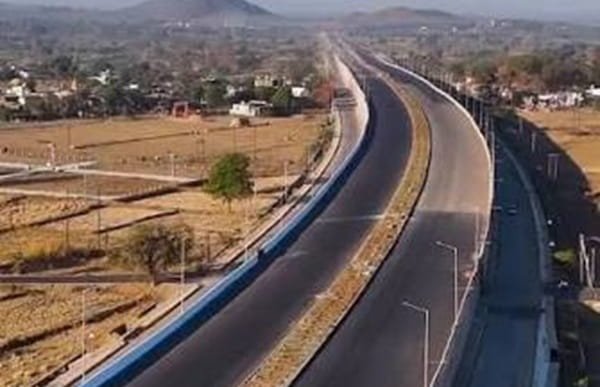
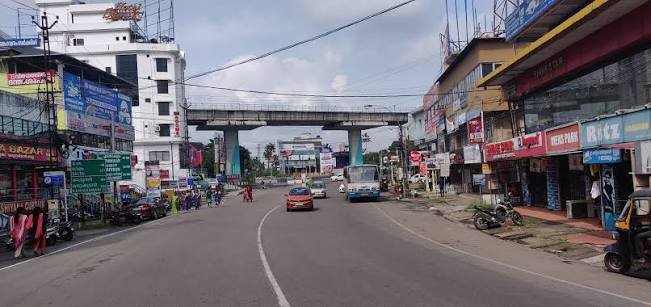
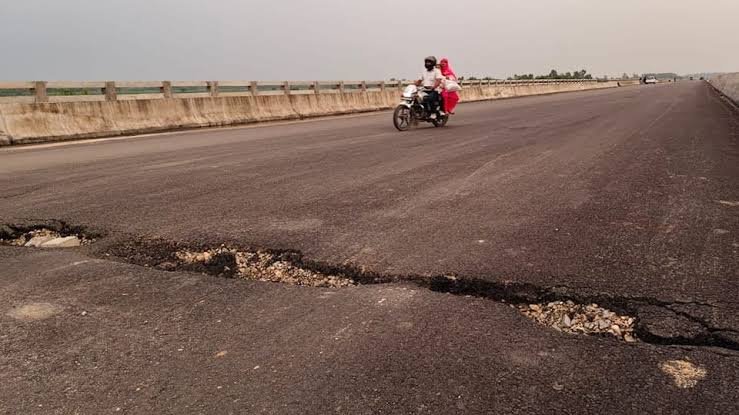
Ayodhya Bypass Road is an important section of NH-27 around the Ayodhya-Faizabad urban area in Uttar Pradesh. It forms part of the Lucknow-Ayodhya-Gorakhpur corridor and carries local traffic, intercity buses, pilgrims and commercial vehicles.
The bypass links with Devkali, Mahobra Bazaar and roads towards Naya Ghat, Ram Path and Shri Ram Janmabhoomi. It also connects towards Lucknow in the west and Basti-Gorakhpur in the east. The existing NH-27 bypass should not be confused with the larger new Northern and Southern Ayodhya Bypass projects being developed around the city.
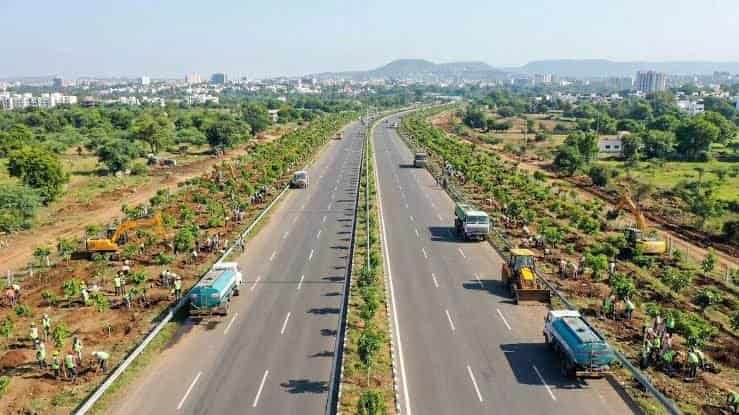
Quick About Ayodhya Bypass Road
| Particular | Details |
| Location | Around the Ayodhya-Faizabad urban area, Uttar Pradesh |
| Main Highway | NH-27, formerly NH-28 |
| Existing Bypass Length | About 22.42 km section under the recent strengthening package |
| Main Regional Direction | Lucknow-Ayodhya-Gorakhpur |
| Important Local References | Devkali, Mahobra Bazaar and city approach roads |
| Nearest Major Railway Stations | Ayodhya Dham Junction and Ayodhya Cantt |
| Nearest Airport | Maharishi Valmiki International Airport Ayodhya Dham |
| Major City Access | Ram Path, Dharam Path, Naya Ghat and Shri Ram Janmabhoomi approaches |
| District / State | Ayodhya, Uttar Pradesh |
Where Is Ayodhya Bypass Road Located?
Ayodhya Bypass runs along NH-27 around the Ayodhya-Faizabad urban area. The highway connects Lucknow with Ayodhya and continues towards Basti and Gorakhpur.
Devkali is one of the best-known local references, while Mahobra Bazaar is important for the four-lane approach towards Shri Ram Janmabhoomi. Intercity bus tickets may also use names such as Devkali Bypass or Ayodhya Bypass.
Connectivity of Ayodhya Bypass Road
The bypass carries through traffic around the city while still giving access to important Ayodhya roads. It serves pilgrims, residents and vehicles travelling on the Lucknow-Gorakhpur corridor.
Lucknow Connectivity
Towards the west, NH-27 is the main road towards Lucknow through the Barabanki side. Ayodhya is roughly 130 km from Lucknow by road.
Travellers entering from Lucknow can leave the bypass at suitable junctions for hotels, railway stations, airport-side roads or the temple area.
Basti and Gorakhpur Connectivity
Towards the east, NH-27 continues towards Basti and Gorakhpur, making the bypass important for eastern Uttar Pradesh and through freight traffic.
Long-distance road users can generally stay on NH-27 unless their destination is inside Ayodhya.
Connectivity to Ram Mandir and Central Ayodhya
A four-lane connection from the NH-27 bypass through Mahobra Bazaar towards Tedhi Bazaar and Shri Ram Janmabhoomi improves access to the temple side.
Dharam Path connects the NH-27 side with Naya Ghat, while the wider road network leads to Ram Path and Bhakti Path. Traffic controls may change during festivals and major events.
Railway Connectivity
Ayodhya Dham Junction and Ayodhya Cantt are the two major railway stations. Ayodhya Dham is useful for the pilgrimage area, while Ayodhya Cantt serves the wider urban area.
The better station depends on the train and final destination. Autos, e-rickshaws and taxis are commonly used for onward travel.
Airport Connectivity
Maharishi Valmiki International Airport Ayodhya Dham is the city’s main airport and is roughly 10 km from Ayodhya Dham. A four-lane road from the Ayodhya-Sultanpur corridor improves airport access.
The best airport route depends on the starting point. Extra time is advisable during major religious events.
Bus and Local Transport
UPSRTC and private buses connect Ayodhya with Lucknow, Gorakhpur, Prayagraj, Varanasi, Delhi and other cities. Some private operators use bypass-side pickup points.
Devkali Bypass and the Naya Ghat side are common boarding references. Passengers should follow the latest ticket because pickup points can differ by operator.
Nearby Areas Around Ayodhya Bypass Road
Devkali is a recognised bypass-side locality, while Mahobra Bazaar is important for temple-side access. Naka and the Ayodhya Cantt-Faizabad side provide hotels, markets, hospitals and daily services.
Naya Ghat, Ram Ki Paidi, Tedhi Bazaar and Shri Ram Janmabhoomi are major destinations towards central Ayodhya.
Hotels, Shops and Daily Facilities
Hotels, restaurants, fuel stations, pharmacies and shops are available near major bypass junctions and connecting roads. Devkali and the Ayodhya Cantt side suit travellers who prefer to stay away from the busiest pilgrimage streets.
Visitors should check the exact hotel location because an address listed simply as ‘Ayodhya’ may be several kilometres from the temple area.
Traffic Conditions on Ayodhya Bypass
Traffic varies through the year. Festivals, long weekends and major temple events can bring a much larger inflow of cars and tourist buses.
Police may introduce diversions, restricted-entry zones or special parking during peak pilgrim periods, so current traffic instructions should be checked.
Existing Bypass Improvement and New Ayodhya Bypass Projects
The existing four-lane NH-27 Ayodhya Bypass has a strengthening package covering about 22.42 km.
A separate Northern and Southern Ayodhya Bypass system totals about 67.57 km: roughly 35.4 km in the north and 32.17 km in the south. These 4/6-lane corridors are intended to divert regional and freight traffic around the expanding city and improve highway links.
Project and land-acquisition activity continued in 2026, so these new bypasses should not yet be treated as fully operational alternatives.
FAQs About Ayodhya Bypass Road
Q1. Is the existing Ayodhya Bypass the same as the new Northern and Southern Ayodhya Bypass?
They are different projects. The existing bypass is the NH-27 road already used around Ayodhya, while the Northern and Southern Ayodhya Bypass corridors are much larger new 4/6-lane routes being developed around the wider city.
Q2. Which bypass point is useful for reaching Shri Ram Janmabhoomi?
The Mahobra Bazaar side is important because an upgraded four-lane road connects the NH-27 bypass towards Tedhi Bazaar and the Shri Ram Janmabhoomi area. The exact route can change when special traffic restrictions are in force.
Q3. Are intercity buses available from Ayodhya Bypass?
Several private buses use bypass-side pickup locations, including Devkali and other highway-facing landmarks. Passengers should use the boarding point printed on the latest ticket instead of assuming every bus stops at the same place.
Q4. Which railway station is better if my hotel is near the bypass?
Ayodhya Cantt can be convenient for parts of the western and Faizabad side, while Ayodhya Dham Junction is useful for the pilgrimage area. The train’s actual stop and the hotel’s location should decide the choice.
Q5. Can I reach Ayodhya airport without going through the main temple area?
Airport access does not require a trip through the main temple streets. The city’s outer road network and the four-lane airport approach provide alternatives, although the best route depends on the starting point.
Q6. Does traffic on the bypass become heavy during Ram Navami, Deepotsav and other major events?
Major religious events can substantially increase traffic across Ayodhya, including the bypass and its city-entry junctions. Temporary diversions, parking plans and restricted roads are common during such periods.
Q7. Is it better to stay near Ayodhya Bypass or near Ram Mandir?
A bypass-side hotel is practical for highway access, airport travel and onward road journeys. A hotel closer to Ram Mandir is usually more convenient for visitors who want to spend most of their time in the pilgrimage area.
Q8. Are the new Northern and Southern bypasses open for normal traffic?
They should not yet be treated as fully operational routes. Construction, land acquisition and implementation activity continued in 2026, so travellers should use the existing road network and check current navigation before departure.