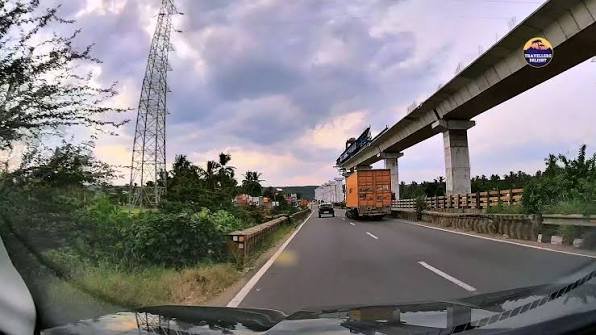
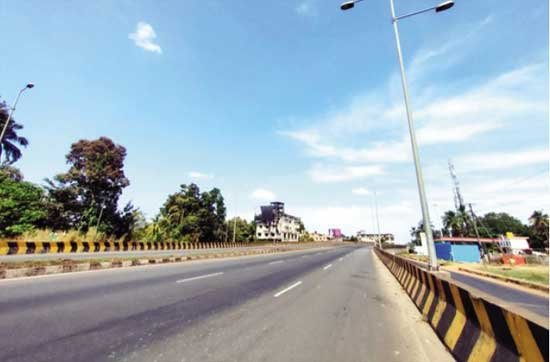
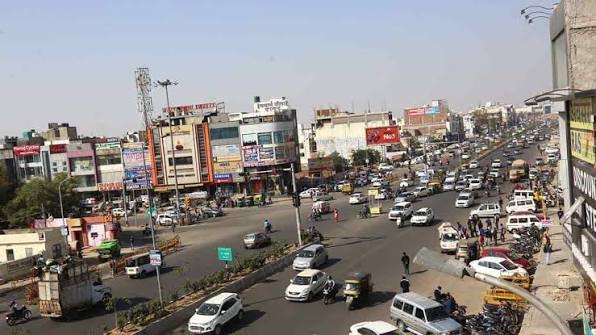
Mandi Bypass Road is an important four-lane highway section on the Kiratpur-Manali corridor in Mandi district, Himachal Pradesh. The bypass was developed as part of the Ner Chowk-Pandoh improvement project on the national highway corridor now identified as NH-3. Its main purpose is to allow vehicles travelling towards Kullu, Manali and Lahaul-Spiti to avoid the congested roads through central Mandi city. The approximately 8 km bypass includes tunnels and bridges built through the hilly terrain around the town.
The road is especially important during the tourist season, when Mandi receives heavy through traffic from Chandigarh, Bilaspur and the Kiratpur-Ner Chowk side. The bypass broadly runs from the Bagla side towards Bindravani, reconnecting with the highway towards Pandoh. Traffic trials began in September 2024, and the corridor has since become part of the practical through route around Mandi. This guide explains the bypass location, highway connections, access to Mandi city, rail and airport options, nearby areas, tunnel and traffic conditions, and other details that matter to motorists and bus passengers.
Quick About Mandi Bypass Road
| Particular | Details |
| Location | Mandi district, Himachal Pradesh, around the southern/eastern side of Mandi city |
| Main Corridor | Kiratpur-Manali national highway corridor / NH-3 |
| Project Section | Ner Chowk-Pandoh four-laning project |
| Approximate Bypass Length | About 8 km |
| Main Local References | Bagla, Mandi outskirts and Bindravani side |
| Major Structures | Four tunnels, major and minor bridges |
| Important Connections | Ner Chowk, Mandi, Pandoh, Kullu and Manali |
| Bus Connectivity | HRTC and private intercity buses on the Mandi-Manali corridor |
| Nearest Broad-Gauge Rail Access | Kiratpur Sahib; Chandigarh is another major rail option |
| Nearest Airport | Kullu-Manali Airport at Bhuntar, about 60 km from Mandi city |
| Road Character | Mountain four-lane bypass with tunnels and bridge sections |
| City / State | Mandi, Himachal Pradesh |
Where Is Mandi Bypass Road Located?
Mandi Bypass lies on the highway corridor between Ner Chowk and Pandoh, skirting the built-up part of Mandi city. The bypass section is commonly described as running from the Bagla side towards Bindravani, where it rejoins the route leading towards Pandoh and Kullu. It was constructed to move long-distance and heavy traffic away from the older highway through Mandi town.
The bypass is not a separate road far away from Mandi; it is integrated with the wider four-lane Kiratpur-Manali project. Drivers coming from the Chandigarh-Bilaspur side reach it after the Ner Chowk approach, while northbound traffic continues towards Pandoh, Aut, Kullu and Manali. People whose destination is central Mandi need to leave the through route at the appropriate city connection rather than remain on the bypass.
Connectivity of Mandi Bypass Road
Ner Chowk and Chandigarh-Side Connectivity
Ner Chowk is the main southern gateway to the bypass. The completed Kiratpur-Ner Chowk highway improvements have made this approach much faster than the older hill-road route. From Ner Chowk, traffic can continue towards Bilaspur, Kiratpur Sahib and Chandigarh. This is the main corridor used by a large share of travellers coming from Delhi, Punjab and Chandigarh towards Mandi and Manali.
Pandoh, Kullu and Manali Connectivity
At the northern side, the bypass connects with the route towards Pandoh. From Pandoh, the national highway continues through the mountain corridor towards Aut, Kullu and Manali. This makes Mandi Bypass particularly important for tourist traffic, interstate buses and goods vehicles that do not need to stop inside Mandi city.
Access to Central Mandi
The older city road remains important for destinations inside Mandi, including the bus stand, markets, hospitals, government offices and local neighbourhoods. If a traveller is staying in Mandi rather than passing through, the bypass should not be followed blindly to the far end. Live navigation and local highway signs should be used to select the correct city exit.
Tunnel and Bridge Sections
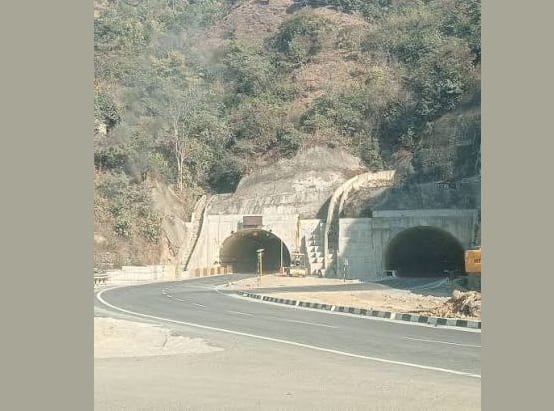
The bypass is notable for its mountain engineering. The approximately 8 km section includes four tunnels as well as major and minor bridges. These structures allow the highway to avoid several tight curves and dense urban stretches that affected the older road through Mandi.
Railway Connectivity
Mandi does not have a broad-gauge railway station. The Mandi district administration identifies Kiratpur Sahib in Punjab as the nearest broad-gauge rail access, while Chandigarh and Kalka are also commonly used by travellers who continue to Mandi by bus or taxi. The new highway connection towards Kiratpur has improved road access between these railheads and Mandi.
Bus Connectivity
Mandi is a major bus interchange on the Chandigarh-Manali route. HRTC and private services connect it with Chandigarh, Delhi, Kullu, Manali, Dharamshala, Palampur and several other Himachal destinations. Through buses may use the bypass when they do not need to enter the central bus stand, while services scheduled to stop in Mandi continue towards the town-side boarding points.
Airport Connectivity
Kullu-Manali Airport at Bhuntar is the nearest airport to Mandi. The Mandi district administration places it at about 60 km from Mandi city. The airport lies on the Kullu side of the corridor, so travellers from Mandi use the Pandoh-Aut route to reach Bhuntar.
Nearby Areas Around Mandi Bypass Road
- Bagla: An important southern bypass-side reference on the Ner Chowk-Mandi approach.
- Ner Chowk: A major junction and town south of Mandi, connecting the four-lane corridor with Bilaspur and Chandigarh-side traffic.
- Mandi City: The district headquarters and main commercial centre, reached through connecting roads from the bypass.
- Bindravani: A key road reference on the northern side of Mandi where the bypass corridor connects towards Pandoh.
- Pandoh: A highway settlement north of Mandi and an important point on the route towards Aut, Kullu and Manali.
Roadside Facilities and Fuel Stops
The bypass is more of a high-speed mountain corridor than a continuous market road. Fuel stations, eateries, workshops and other facilities are easier to find around Ner Chowk, Mandi city approaches, Pandoh and established highway settlements. Inside tunnel-heavy or bridge sections, roadside stopping options are naturally limited.
Traffic Conditions on Mandi Bypass
The bypass has significantly reduced the need for through traffic to pass through central Mandi. This is particularly helpful during summer holidays, long weekends and the winter tourist season, when large numbers of vehicles travel towards Kullu and Manali. However, traffic can still slow near merge points, tunnel approaches and the Pandoh side.
Mountain highways in Himachal are also affected by weather. Heavy rain can bring landslides, falling debris or temporary closures, while winter conditions may affect higher sections farther towards Kullu and Manali. For long-distance travel, drivers should check current police, district administration or highway advisories before departure rather than relying only on normal journey times.
Conclusion
Mandi Bypass Road is a key part of the Kiratpur-Manali highway improvement, carrying through traffic around Mandi city on the Ner Chowk-Pandoh corridor. The approximately 8 km route uses tunnels and bridges to provide a faster connection towards Pandoh, Kullu and Manali while reducing pressure on central Mandi roads. Motorists should choose the correct city exit when stopping in Mandi and check weather-related highway advisories during difficult travel conditions.
FAQs About Mandi Bypass Road
Q1. Should I use Mandi Bypass when travelling from Chandigarh to Manali?
Yes. For through traffic that does not need to enter Mandi city, the bypass is the natural highway route towards Pandoh, Kullu and Manali. It avoids much of the older urban road through Mandi.
Q2. Does the bypass completely avoid Mandi city traffic?
It avoids the main built-up city stretch for through vehicles, but traffic can still build at entry and exit points. If your destination is inside Mandi, you will need to leave the bypass and use local roads.
Q3. Are there tunnels on Mandi Bypass?
Yes. The bypass includes four tunnels along with several bridges. Drivers should follow tunnel speed limits, keep headlights on and avoid unnecessary lane changes or stopping inside the tunnels.
Q4. Can buses skip Mandi Bus Stand by using the bypass?
Through services can use the bypass when they are not scheduled to stop in central Mandi. Passengers with a Mandi boarding or drop point should check the latest ticket because the bus may still enter the city or use a specified highway pickup location.
Q5. Is the bypass open throughout the monsoon?
It is a working national highway corridor, but mountain roads can face temporary restrictions after landslides, heavy rain, maintenance or accidents. During severe weather, check current official road advisories before travelling.