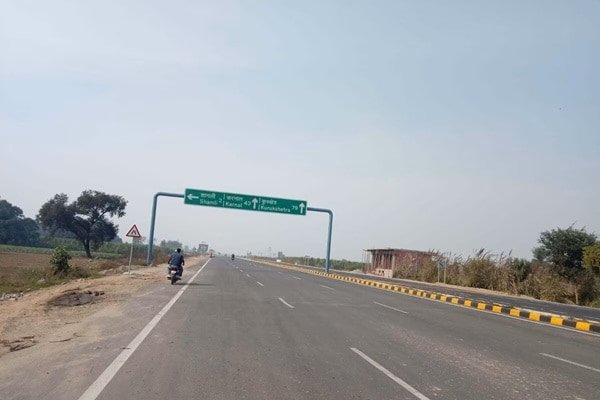
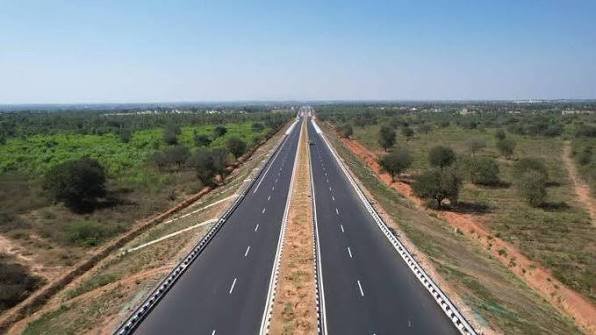
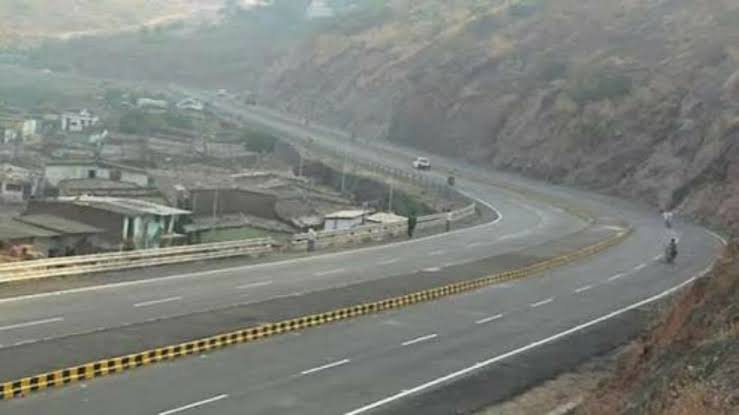
Dhule Bypass Road is a genuine national-highway bypass around Dhule city in northern Maharashtra. The established bypass forms part of NH-53, the major Surat-Dhule-Jalgaon-Amravati-Nagpur corridor, and was originally developed on old NH-6 to divert long-distance traffic away from the city centre. Official highway fee records identify the Dhule Bypass as a roughly 17.47 km section, making it a proper through-traffic bypass rather than a local junction or short connector.
The road is important because Dhule sits at the meeting point of major east-west and north-south routes. NH-53 carries traffic between Gujarat, Dhule, Jalgaon and Nagpur, while NH-52 and the Mumbai-Agra corridor provide links towards Indore and the Nashik side through connecting highways. The bypass also serves industrial and outer-city areas around Mahindale, Avdhan and the wider Surat-facing side of Dhule. A separate 26 km Dhule city ring-road project connecting NH-53 with NH-52 is under development planning, so readers should not confuse that future project with the operational Dhule Bypass covered here.
Quick About Dhule Bypass Road
| Particular | Details |
| Location | Outer Dhule city, Maharashtra |
| Main Highway | NH-53, formerly NH-6 |
| Approximate Bypass Length | About 17.47 km |
| Main Corridor | Surat-Dhule-Jalgaon-Amravati-Nagpur |
| Purpose | Divert through traffic away from central Dhule |
| Nearby Areas | Mahindale, Avdhan, Mohadi-side areas and outer Dhule localities |
| Other Major Highway Link | NH-52 / Mumbai-Agra corridor through the Dhule road network |
| Railway Access | Dhule Railway Station; Chalisgaon Junction for wider connections |
| Bus Connectivity | MSRTC and private intercity services |
| Nearest Scheduled Airport | Chhatrapati Sambhajinagar Airport |
| Road Character | National-highway bypass with freight and intercity traffic |
| City / State | Dhule, Maharashtra |
Where Is Dhule Bypass Road Located?
Dhule Bypass lies around the outer side of Dhule city on the NH-53 corridor. Official toll notifications place the bypass between design chainages 513.960 km and 531.560 km on the former NH-6 alignment. In practical local use, the bypass is associated with the Surat-facing and outer-city belt around Mahindale and nearby approaches, while city roads connect it back with central Dhule.
For travellers, the important point is that this road belongs to the Surat-Nagpur highway system. Vehicles that are simply passing through Dhule on NH-53 can remain on the bypass instead of entering the busier city roads. Those whose destination is the railway station, market area, Deopur, Chalisgaon Road or another urban locality should leave the bypass at the appropriate city-side connection.
Connectivity of Dhule Bypass Road
Surat and Gujarat Connectivity
Westbound NH-53 connects Dhule with Sakri-side routes and onward movement towards the Gujarat border and Surat. This is one of the bypass’s main long-distance functions because Surat-Dhule freight and passenger traffic can avoid central Dhule. Commercial vehicles, interstate buses and long-distance cars form a significant part of the traffic on this corridor.
Jalgaon, Amravati and Nagpur Connectivity
Eastbound NH-53 continues from Dhule towards Jalgaon and then farther across Maharashtra towards Akola, Amravati and Nagpur. For through traffic travelling between Gujarat and eastern Maharashtra, the Dhule Bypass is therefore part of a much longer national-highway route rather than a standalone city road.
NH-52 and Indore-Side Connectivity
Dhule is also connected with NH-52, which serves the north-south corridor towards Shirpur, Sendhwa and Indore on one side and Maharashtra routes towards Solapur through the wider highway network on the other. The existing NH-53 bypass does not itself replace every movement between NH-53 and NH-52. Drivers changing highways should follow the signed interchange or city-edge route shown by current navigation.
Nashik and Mumbai-Side Connectivity
The Dhule road network also connects towards Malegaon, Nashik and Mumbai through the Dhule-Pimpalgaon/Nashik corridor. Travellers arriving from Nashik may encounter local references to the Dhule bypass near the city approach, but the established bypass discussed in this article is the NH-53 city bypass. Route choice should therefore be based on the destination highway rather than the road name alone.
Railway Connectivity
Dhule Railway Station is the city’s local railhead and is connected with Chalisgaon Junction. The district administration identifies Dhule as the nearest railway station for the city. For passengers using trains that do not directly serve Dhule, Chalisgaon Junction is an important wider connection point.
The bypass does not run directly through the railway-station area, so passengers need to leave NH-53 and use city roads, autos or cabs for the final journey. Anyone catching a fixed train should allow additional time for city traffic rather than estimating the journey only from bypass distance.
Bus Connectivity
Dhule has strong road-bus connectivity. The district administration states that MSRTC buses connect the city with major destinations including Surat, Mumbai, Pune, Indore and Nagpur. Private intercity buses also use the larger highway network around Dhule.
Passengers should confirm whether their ticket uses the central bus stand, a highway-side pickup point or a bypass landmark. A stop described only as “Dhule Bypass” may be outside the main city bus station, so the exact petrol pump, hotel, junction or locality on the ticket matters.
Airport Connectivity
Dhule has an airstrip at Gondur, but it does not provide the regular scheduled commercial connectivity most travellers need. The Dhule district administration identifies Chikkalthana Airport at Chhatrapati Sambhajinagar as the nearest scheduled airport, at roughly 156 km from Dhule.
For air passengers, road travel is therefore a significant part of the journey. Depending on the starting point on the bypass, travellers may use the most suitable state and national highways towards Chhatrapati Sambhajinagar. Flight passengers should keep a generous time margin because long road journeys can be affected by highway traffic and road works.
Nearby Areas Around Dhule Bypass Road
- Mahindale: A well-known outer-Dhule locality on the NH-53/Dhule-Surat bypass side, with fuel and roadside facilities.
- Avdhan: An industrial and highway-side area on the outer Dhule road network, important for freight and commercial movement.
- Mohadi: A locality on the Mumbai-Agra/NH-52 side of Dhule and an important city-edge reference for regional highway traffic.
- Deopur: A large urban locality inside Dhule, reached from the bypass through connecting city roads.
- Laling: Located on the southern side of Dhule and associated with the Mumbai-Agra highway corridor and the Laling toll area.
- Fagne: A highway-side village on the western/eastern regional road network around Dhule and a useful reference for NH-53 traffic.
Toll and Highway Facilities
Dhule Bypass has historically formed part of a tolled national-highway project. Government fee notifications specifically listed the Dhule Bypass and its length for additional bypass-related fee calculation on the NH-53 corridor. Toll systems and rates change over time, so motorists should rely on the current FASTag deduction and official toll-plaza information rather than an old published amount.
Fuel stations, truck-oriented services, restaurants and repair facilities are available around the wider bypass and highway approaches, especially near developed outer-city areas. However, through travellers should still refuel before a long onward journey if the vehicle is low on fuel, particularly when heading towards less urban stretches.
Traffic Conditions on Dhule Bypass
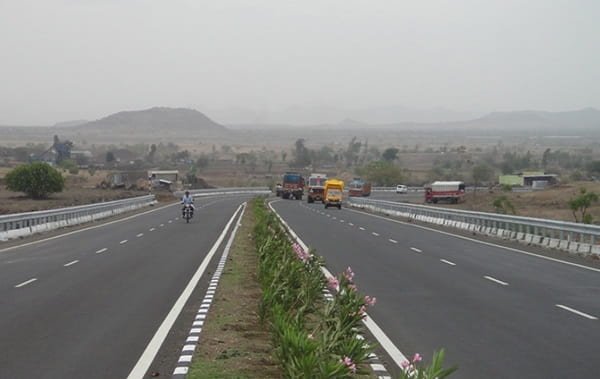
The bypass carries a high proportion of long-distance and freight traffic because NH-53 is a major inter-state corridor. Trucks, buses, cars and local vehicles share the road, and traffic can become heavier near junctions where city traffic enters or exits the bypass.
For through traffic, the main advantage is avoiding the denser central Dhule road network. Drivers should still watch for service-road entries, slow-moving heavy vehicles and lane changes near commercial establishments. During the monsoon or road-maintenance work, keeping additional stopping distance is advisable.
Current Road Development Around Dhule
A separate Dhule city ring-road project is being developed to improve movement between NH-53 and NH-52. NHAI’s March 2026 project-status document lists a 26 km ring road connecting NH-53 with NH-52 as a project still awaiting award. This is a future capacity-improvement project and should not be confused with the existing operational Dhule Bypass on NH-53.
The distinction is important for readers because both projects are intended to reduce urban congestion, but they are not the same road. Until the ring road is completed and opened, drivers should continue to use the established bypass and existing highway connections according to their route.
Conclusion
Dhule Bypass Road is a proper national-highway bypass on NH-53 and an important part of the Surat-Dhule-Jalgaon-Nagpur corridor. At roughly 17.47 km, it allows through traffic to avoid central Dhule while maintaining access to outer areas such as Mahindale and Avdhan and connecting with the city’s wider NH-52 and Nashik-side road network. The proposed 26 km Dhule ring road is a separate future project. For present travel, drivers should use the operational NH-53 bypass and confirm the exact junction or pickup landmark when entering Dhule or changing highways.
FAQs About Dhule Bypass Road
Q1. Is Dhule Bypass a genuine standalone bypass?
Yes. Government highway fee records identify a distinct Dhule Bypass on old NH-6, now part of NH-53, with a bypass length of about 17.47 km. It is not merely a junction name.
Q2. Is the existing Dhule Bypass the same as the proposed Dhule ring road?
No. The existing bypass is operational on NH-53. The separate 26 km ring-road project is planned to connect NH-53 with NH-52 and was still listed by NHAI as awaiting award in March 2026.
Q3. Should Surat-to-Nagpur through traffic use Dhule Bypass?
Yes. NH-53 is the Surat-Dhule-Jalgaon-Nagpur corridor, and the bypass is the logical through route for vehicles that do not need to enter central Dhule.
Q4. Can I use the bypass when travelling towards Indore?
You may use part of the outer road network, but Indore-bound traffic ultimately needs the correct connection to NH-52. Follow current highway signs or live navigation because the NH-53 bypass itself does not directly serve every NH-52 movement.
Q5. Is there a separate toll just for entering Dhule Bypass?
The bypass is part of a tolled national-highway corridor, but toll payment depends on the fee-plaza system and the route travelled. It is better to check current FASTag or official toll information than assume a separate entry toll.
Q6. If my bus ticket says Dhule Bypass, where should I wait?
Check the exact landmark on the ticket. Operators may use a highway-side petrol pump, hotel, junction or locality rather than the central bus stand. “Dhule Bypass” alone is not precise enough for pickup.
Q7. Which railway station is most useful from the bypass?
Dhule Railway Station is the local station, while Chalisgaon Junction offers wider railway connectivity. The better option depends on the train service and the traveller’s final destination.