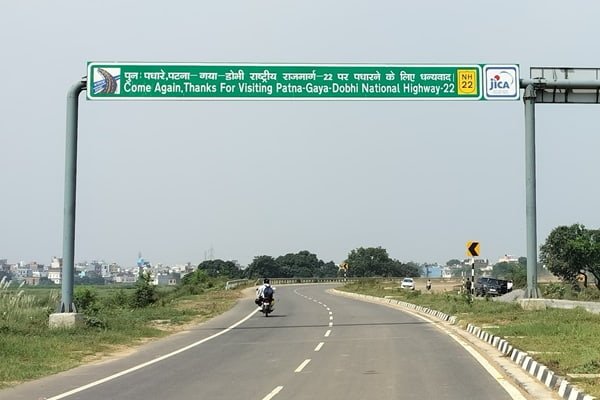
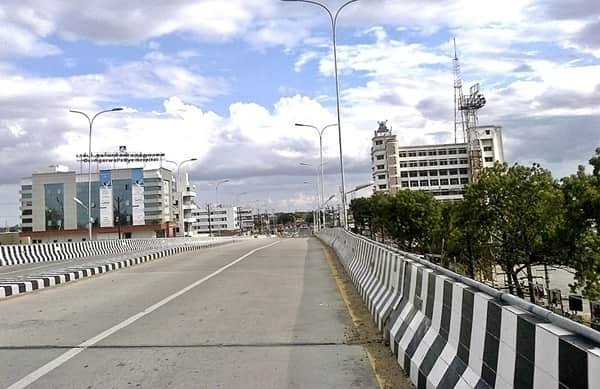
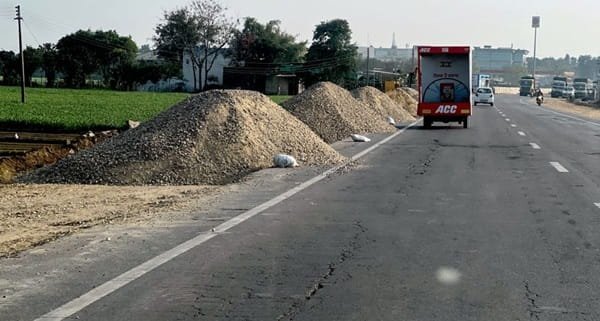
Gopalpura Bypass Road is an important east-west road corridor in south Jaipur. It runs between the Tonk Road junction and the Ajmer Road junction and passes through a heavily developed belt around Gopalpura, Triveni Nagar, Mahesh Nagar, Gurjar Ki Thadi, Mansarovar-side neighbourhoods and Nirman Nagar. Jaipur Development Authority records describe the corridor as about 8.9 km long, so it is better understood as a major city road rather than a short neighbourhood bypass.
The road is used by residents, office commuters, students and through traffic because it creates a practical connection between Tonk Road and Ajmer Road. The surroundings have also become a busy residential, education and commercial belt with coaching institutes, shops, restaurants, hospitals and offices. Traffic can be heavy at major junctions, while current infrastructure work can affect travel time. This guide covers the location, connectivity, nearby areas, railway and airport access, public transport, traffic conditions and other practical details readers may need.
Quick About Gopalpura Bypass Road
| Particular | Details |
| Location | South Jaipur, between Tonk Road and Ajmer Road |
| Approximate Length | About 8.9 km |
| Major Road Connections | Tonk Road, New Sanganer Road and Ajmer Road |
| Important Junctions | Gopalpura, Riddhi Siddhi, Gurjar Ki Thadi and Ajmer Road side |
| Nearby Areas | Gopalpura, Triveni Nagar, Mahesh Nagar, Mansarovar, Nirman Nagar, Durgapura |
| Metro Connectivity | Mansarovar, New Aatish Market and Vivek Vihar serve parts of the wider corridor |
| Railway Connectivity | Durgapura for the eastern side; Jaipur Junction for major services |
| Nearest Airport | Jaipur International Airport |
| Road Character | Major urban arterial road with residential, education and commercial activity |
| City / State | Jaipur, Rajasthan |
Where Is Gopalpura Bypass Road Located?
Gopalpura Bypass Road stretches across south Jaipur from Tonk Road to Ajmer Road. Its eastern side is associated with the Gopalpura-Durgapura belt, while the western side approaches Ajmer Road around Nirman Nagar and Kamla Nehru Nagar. Between these points, the road passes several important residential and commercial areas.
Triveni Nagar, Riddhi Siddhi, Mahesh Nagar, Gurjar Ki Thadi and New Sanganer Road are useful landmarks along the route. Because the road is several kilometres long, visitors should use the exact colony, junction or business name with ‘Gopalpura Bypass Road’ when navigating to an address.
Connectivity of Gopalpura Bypass Road
Connectivity is the main strength of the corridor. It joins two major Jaipur roads and intersects several busy internal routes, allowing movement between south-east and south-west Jaipur without requiring every trip to pass through the city centre.
Tonk Road and Durgapura Side
At the eastern end, the bypass meets the Tonk Road corridor. This side is convenient for Durgapura, Jawahar Circle, Malviya Nagar, Jaipur International Airport, Sitapura and other southern areas. Tonk Road also provides a direct route towards central Jaipur. Traffic can be slow around the junction during office hours because local and through traffic use the same approach.
Riddhi Siddhi, Triveni Nagar and Mahesh Nagar
The central section serves Triveni Nagar, Mahesh Nagar and the Riddhi Siddhi area. It has a strong commercial and education character, with shops, coaching centres, offices, food outlets and daily-use services. Local roads from this belt also connect towards Gopalpura, Mahesh Nagar and adjoining residential colonies.
Gurjar Ki Thadi, New Sanganer Road and Mansarovar
Gurjar Ki Thadi is one of the busiest junctions on the western half of the bypass. New Sanganer Road provides access towards Mansarovar and other parts of south-west Jaipur. As Mansarovar is a large residential area, this junction often carries heavy local traffic in addition to vehicles continuing along the bypass.
Ajmer Road and Nirman Nagar Side
The western end reaches the Ajmer Road side through Nirman Nagar and nearby localities. Ajmer Road connects towards Sodala and central Jaipur in one direction and towards Heerapura, Bhankrota, Bagru and Ajmer in the other. This makes Gopalpura Bypass useful for cross-city travel between the Tonk Road and Ajmer Road corridors.
Railway Connectivity
Durgapura Railway Station is convenient for many locations on the Tonk Road and eastern side of Gopalpura Bypass. Jaipur Junction remains the city’s main railway station and is the more important option for trains that do not stop at Durgapura. Autos and app-based cabs are usually the simplest choice for travellers carrying luggage, with extra time advisable during peak traffic.
Metro Connectivity
The operational Jaipur Metro Pink Line does not run along the full Gopalpura Bypass corridor. Depending on the exact starting point, Mansarovar, New Aatish Market and Vivek Vihar can be useful existing stations, normally followed by a short road journey. Jaipur Metro Phase II procurement also includes planned Durgapura and Gopalpura stations, but these are future stations and are not operational at present.
Bus and Local Transport Connectivity
City buses, autos, e-rickshaws, app-based cabs and private vehicles serve the wider bypass area. Availability is generally better around major junctions such as Gopalpura, Riddhi Siddhi, Gurjar Ki Thadi and the Tonk Road and Ajmer Road ends. For time-sensitive journeys, travellers should confirm the current bus stop or pickup point rather than relying on an old route description.
Airport Connectivity
Jaipur International Airport is the nearest airport. The Tonk Road and Durgapura side of Gopalpura Bypass is better placed for airport access than the Ajmer Road end. Travellers starting from the western section need to cross a larger part of south Jaipur, so journey time can vary with traffic. Cabs are generally the easiest option for passengers with luggage.
Nearby Areas Around Gopalpura Bypass Road
Gopalpura, Triveni Nagar and Mahesh Nagar are closely associated with the eastern and central portions of the road. Mansarovar is easily reached through New Sanganer Road, while Durgapura lies towards the Tonk Road side. Nirman Nagar and parts of Shyam Nagar are closer to the western stretch, and Ajmer Road provides onward access towards Sodala, Heerapura and Bhankrota.
Because the corridor crosses a broad part of south Jaipur, the nearest school, hospital, market, railway station or metro station changes from one section to another. Checking the immediate neighbourhood is therefore important when selecting a home, hotel or office.
Shops and Daily Facilities
Gopalpura Bypass Road is a well-developed urban corridor with grocery stores, pharmacies, restaurants, banks, ATMs, clinics, coaching institutes, offices and automobile-related businesses along different stretches. Larger shopping and service options are also available in Mansarovar, Durgapura, Nirman Nagar and nearby commercial areas.
The road is particularly active around education and coaching clusters, which can increase pedestrian and two-wheeler movement at certain hours. Anyone choosing a property directly on the bypass should check service-road access and parking arrangements at the specific building.
Traffic Conditions at Gopalpura Bypass
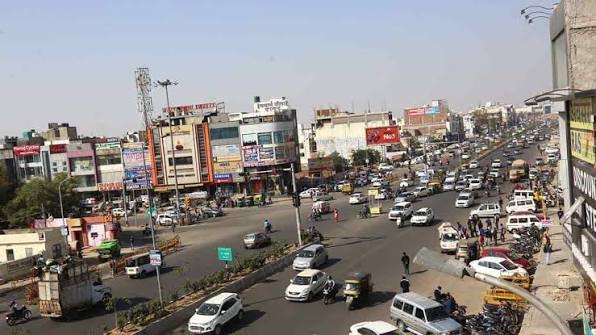
Riddhi Siddhi, Triveni Nagar, Gurjar Ki Thadi and other major intersections can become congested during morning and evening peak periods. Coaching hours and local commercial activity can add to traffic pressure. Road construction may also create temporary diversions or reduced lane space.
An elevated-road project is under construction from the Triveni Nagar ROB towards Gurjar Ki Thadi. It is intended to improve long-term traffic movement, but current work can affect journey times. Drivers should follow on-ground diversions and allow extra time instead of relying only on older route estimates.
Conclusion
Gopalpura Bypass Road is an important south Jaipur cross-city corridor, linking Tonk Road with Ajmer Road across an approximately 8.9 km urban stretch. Its connections with Gopalpura, Triveni Nagar, Riddhi Siddhi, Gurjar Ki Thadi, Mansarovar, Nirman Nagar and Durgapura make it useful for residents, students, businesses and commuters. The road offers strong connectivity, but peak-hour congestion and current infrastructure work can affect travel times. Visitors should always use the exact junction or colony name with the bypass address because different points along the road can be several kilometres apart.
FAQs About Gopalpura Bypass Road, Jaipur
Q1. Does the entire Gopalpura Bypass use one PIN code?
No. The road passes through several localities and postal areas, so the PIN code depends on the complete address. Always verify the colony or landmark before using a postal code.
Q2. Which side is more convenient for Jaipur Airport?
The Tonk Road and Durgapura end is generally more convenient because it connects more directly with Jaipur’s southern road network. Extra travel time should be kept when starting near Ajmer Road.
Q3. Is roadside parking available everywhere on Gopalpura Bypass?
No. Parking varies by property and may be restricted near busy junctions, coaching clusters and construction zones. Visitors should use designated or legal parking rather than stop on the main carriageway.
Q4. What landmark should I mention when booking a cab?
Use the nearest junction or locality, such as Riddhi Siddhi, Triveni Nagar, Gurjar Ki Thadi, New Sanganer Road, Gopalpura or Nirman Nagar. Giving only the road name can leave a very wide destination area.
Q5. Is the road suitable for pedestrians?
Pedestrian conditions differ by stretch. Traffic can be fast and heavy on the main carriageway, so pedestrians should use signals, footpaths and safer crossing points wherever available.
Q6. Are hotels available near Gopalpura Bypass?
Yes. Hotels and guest accommodation are available in the wider Tonk Road, Durgapura, Mansarovar, Nirman Nagar and Ajmer Road areas. The best location depends on the traveller’s main destination.
Q7. Can construction change the normal route?
Yes. Elevated-road and other infrastructure works can temporarily change lane use, turning movements or access to service roads. Current traffic signs and local diversions should be followed.