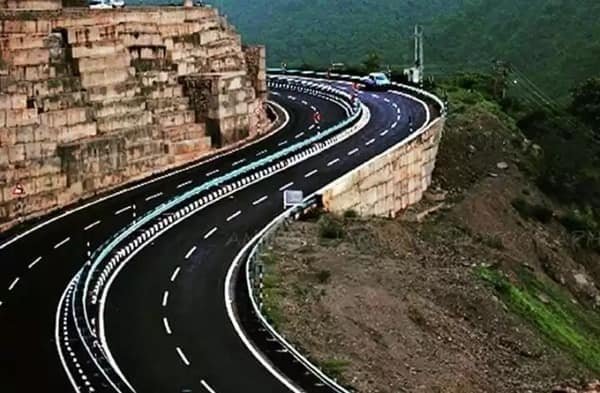
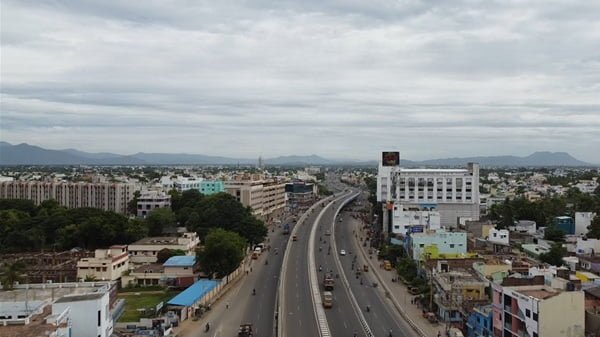
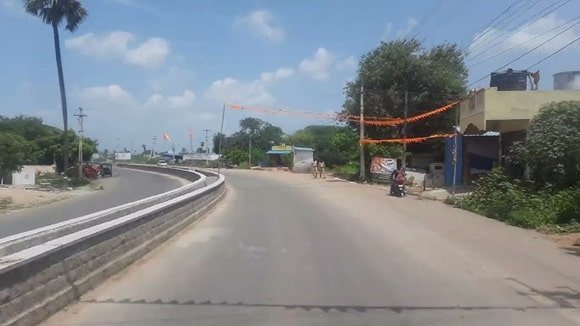
Gaya Bypass Road is a major outer road corridor around Gaya in Bihar and forms part of the Patna-Gaya-Dobhi national-highway route. The bypass was planned as part of the four-laning of old NH-83, now generally identified as NH-22, so that through traffic could move around Gaya instead of entering the busiest city roads. Official NHAI project documents list the Gaya Bypass at about 25.15 km, making it much larger than the shorter Manpur Bypass on the eastern side of the city.
The corridor is important for traffic travelling between Patna, Jehanabad, Gaya, Bodh Gaya and Dobhi, and it also connects with roads leading towards Sherghati, Jharkhand and other parts of south Bihar. Current roadside addresses use both “Gaya Bypass Road” and “Domuhan Bypass” on the NH-22 side, especially around Chandauti and the southern Gaya-Bodh Gaya approach. Because Gaya has several bypass-related road names, travellers should check the exact junction or locality before starting. This guide focuses on the larger Gaya city bypass, not the separate Manpur NH-82 bypass.
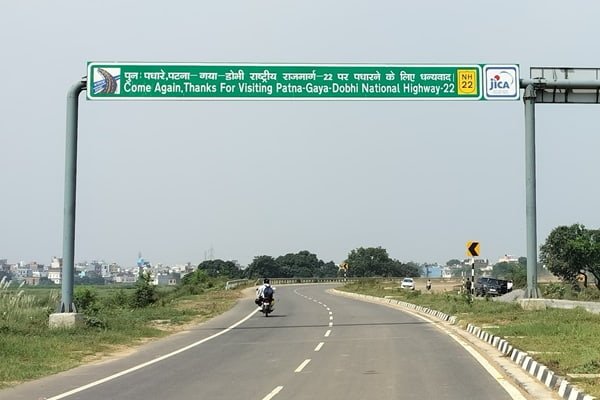
Quick About Gaya Bypass Road
| Particular | Details |
| Location | Outer Gaya city, Bihar |
| Main Highway | NH-22 / old NH-83 Patna-Gaya-Dobhi corridor |
| Approximate Bypass Length | About 25.15 km in the original NHAI project plan |
| Road Type | Four-lane national-highway bypass corridor |
| Major Connections | Patna, Jehanabad, Bodh Gaya, Dobhi and Sherghati-side routes |
| Important Bypass References | Domuhan, Chandauti, Aradih and Gaya-Bodh Gaya-side approaches |
| Railway Access | Gaya Junction |
| Bus Connectivity | Gaya city services and private buses using Gaya Bypass/Domuhan pickup points |
| Nearest Airport | Gaya International Airport |
| Nearby Road Links | NH-120, Bodh Gaya roads and the wider south Bihar highway network |
| Road Character | Through-traffic, pilgrim, airport and intercity corridor |
| City / State | Gaya, Bihar |
Where Is Gaya Bypass Road Located?
Gaya Bypass runs around the outer side of Gaya rather than through the dense central city. It belongs to the Patna-Gaya-Dobhi highway corridor and was designed to carry long-distance traffic around the urban area. On the southern side, Domuhan and Chandauti are common bypass references, while the wider corridor connects towards Bodh Gaya and Dobhi. On the northern side, the highway continues towards Jehanabad and Patna.
Official fuel-retail addresses continue to use “NH-83, Gaya Bypass Road” as well as “NH-22, Domuhan Bypass, Aradih, Chandauti,” showing how the old and new highway numbers are both still used locally. For navigation, the exact junction is important because “Gaya Bypass” can refer to different points along a long outer corridor rather than one single crossing.
Connectivity of Gaya Bypass Road
Patna and Jehanabad Connectivity
The northern side connects with the Patna-Gaya route, one of the most important road corridors in south Bihar. Vehicles can continue towards Jehanabad, Masaurhi and Patna without using central Gaya roads. The Patna-Gaya-Dobhi corridor has undergone major four-laning work, improving through movement and reducing dependence on older two-lane urban sections.
Bodh Gaya and Dobhi Connectivity
The southern side of the bypass is especially important for Bodh Gaya and Dobhi-bound traffic. Domuhan is a widely used local and bus-travel reference on this side. From the wider highway network, travellers can continue towards Bodh Gaya, Dobhi and the NH-19 side, which provides onward road connections towards Jharkhand and eastern India.
NH-120 and Eastern Gaya Connections
The Gaya road network also connects with NH-120 on the eastern and south-eastern side. Government project records describe the NH-120 widening stretch as linking the old NH-82 side with the end point of the Gaya Bypass corridor. This provides access towards localities and routes on the Manpur, Bihar Sharif and south-eastern Gaya side, although Manpur Bypass itself remains a separate road project.
Access to Central Gaya
Travellers whose destination is Gaya Junction, Vishnupad Temple, the main market, hospitals or central residential areas should leave the bypass at the appropriate city approach. The bypass is designed mainly for through traffic, so staying on it for the full stretch is not useful when the destination lies inside Gaya city.
Railway Connectivity
Gaya Junction is the main railway station for passengers using the bypass corridor. It is one of Bihar’s major railway stations and provides long-distance connections towards Patna, Delhi, Kolkata, Varanasi, Ranchi and many other cities. Because the station lies inside the city, passengers starting from the bypass need to use local roads, autos or cabs for the final journey.
Travel time to Gaya Junction depends heavily on which bypass point is used. Domuhan and the Bodh Gaya-side sections are farther from the station than some northern city approaches, so passengers with a fixed train departure should keep extra time.
Bus Connectivity
Gaya has regular bus services towards Patna, Bihar Sharif, Nawada, Aurangabad, Bodh Gaya and other regional destinations. Private intercity operators also use Gaya Bypass and Domuhan as boarding or dropping points, particularly for services that do not need to enter the city centre.
A ticket mentioning “Gaya Bypass” should always be checked for the complete landmark. Some operators use Domuhan, Bodh Gaya-side bypass points or specific roadside businesses. These locations can be several kilometres apart, so the bypass name alone is not enough for a reliable pickup.
Airport Connectivity
Gaya International Airport is the nearest airport and is located on the south-western side of the city. Bihar tourism information identifies Gaya Airport as the main air gateway for Gaya and Bodh Gaya. The bypass can be useful for airport-bound travellers approaching from the Patna or Dobhi side, but the exact exit should be chosen according to current navigation and the starting point.
Pilgrimage seasons can increase traffic around Gaya and Bodh Gaya, particularly when international Buddhist travel is high. Air passengers should therefore keep a practical time buffer rather than judging the journey only by distance.
Nearby Areas Around Gaya Bypass Road
- Domuhan: A major southern bypass reference near the Bodh Gaya approach and a common private-bus pickup point.
- Chandauti: An established Gaya locality with NH-22 bypass-side addresses and access towards the airport and Bodh Gaya side.
- Aradih: A locality used in current NH-22 Domuhan Bypass addresses on the southern Gaya corridor.
- Bodh Gaya: The major Buddhist pilgrimage destination south of Gaya, connected through the bypass-side road network.
- Gaya Airport Area: Located on the south-western side of the city and connected with the wider bypass and Gaya-Bodh Gaya road system.
- Central Gaya: The railway, commercial and pilgrimage centre, reached from the bypass through city approach roads.
Shops and Highway Facilities
Fuel stations, restaurants, hotels, vehicle-service outlets and local shops are available along several parts of the Gaya Bypass corridor. The Domuhan and Bodh Gaya-side approaches are particularly well developed because they serve pilgrims, tourists, buses and airport traffic.
Facilities are not equally dense along the entire bypass, so long-distance drivers should avoid assuming that every section has the same level of roadside services. Central Gaya and Bodh Gaya provide a much wider range of hotels, hospitals and commercial facilities.
Traffic Conditions on Gaya Bypass
The main advantage of the bypass is that it removes a large share of through traffic from central Gaya. Cars, buses and heavy commercial vehicles can stay on the outer highway instead of using crowded market and pilgrimage roads. Traffic can still become heavy near Domuhan, airport-side junctions and major city-entry points.
The wider Patna-Gaya-Dobhi corridor has undergone extensive four-laning and improvement work. Drivers should follow current lane markings, speed restrictions and temporary diversions where residual work, maintenance or junction improvements are taking place.
How Gaya Bypass Differs from Manpur Bypass
Gaya Bypass and Manpur Bypass are separate roads. The larger Gaya Bypass belongs to the old NH-83/current NH-22 Patna-Gaya-Dobhi corridor and was planned at about 25.15 km. Manpur Bypass is a shorter NH-82 bypass on the eastern side of Gaya that serves traffic towards Wazirganj, Hisua, Rajgir and Bihar Sharif.
The two corridors may both be described as “Gaya bypass” in casual local use, which is why checking the highway number and destination is important. Patna, Bodh Gaya and Dobhi through traffic generally relates to the larger Gaya Bypass, while Rajgir and Bihar Sharif-side through traffic relates more directly to Manpur Bypass.
Conclusion
Gaya Bypass Road is a major outer bypass on the Patna-Gaya-Dobhi highway corridor and is distinct from the shorter Manpur Bypass. Official NHAI planning records place the Gaya Bypass at about 25.15 km, while current road addresses continue to use Gaya Bypass and Domuhan Bypass references along NH-22/old NH-83. Its main role is to carry through traffic around central Gaya while providing useful connections towards Patna, Bodh Gaya, Dobhi, Gaya Airport and the wider south Bihar road network. For travellers, the most important practical step is to confirm the exact bypass junction or landmark before starting, especially for bus pickups and airport or railway transfers.
FAQs About Gaya Bypass Road
Q1. Is Gaya Bypass the same as Manpur Bypass?
No. Gaya Bypass is the larger NH-22/old NH-83 outer bypass on the Patna-Gaya-Dobhi corridor. Manpur Bypass is a separate shorter NH-82 bypass on the eastern side of Gaya.
Q2. How long is the main Gaya Bypass?
The original NHAI four-laning project documents list Gaya Bypass at about 25.15 km. Local road references may describe only individual portions such as Domuhan Bypass, but the project bypass is much longer.
Q3. Should Patna-to-Dobhi through traffic use Gaya Bypass?
Yes. For vehicles that do not need to enter central Gaya, the bypass is the logical through route on the Patna-Gaya-Dobhi corridor and helps avoid city congestion.
Q4. Is Domuhan part of the Gaya Bypass corridor?
Yes. Domuhan is a major southern-side bypass reference near Chandauti and the Bodh Gaya approach. Current roadside addresses use “NH-22, Domuhan Bypass” in this area.
Q5. Does Gaya Bypass provide direct access to Bodh Gaya?
It provides convenient access towards Bodh Gaya, but travellers still need to take the appropriate Bodh Gaya link road or exit. The bypass itself is a through highway and does not pass through the Mahabodhi Temple area.
Q6. Where should I wait if my bus ticket says Gaya Bypass?
Check the complete operator landmark. “Gaya Bypass” may mean Domuhan, a Bodh Gaya-side junction or another roadside point. Reaching an arbitrary point on the bypass can put you several kilometres away from the actual pickup.
Q7. Which railway station should bypass travellers use?
Gaya Junction is the main railway station. The road transfer time varies by bypass location, so passengers should keep extra time and use the exact station approach shown by navigation.