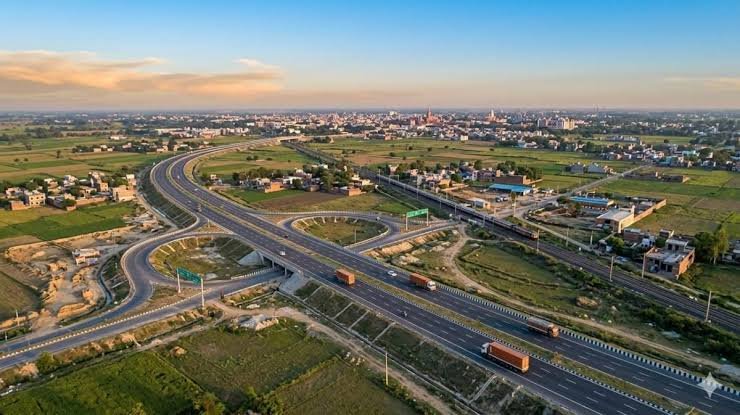
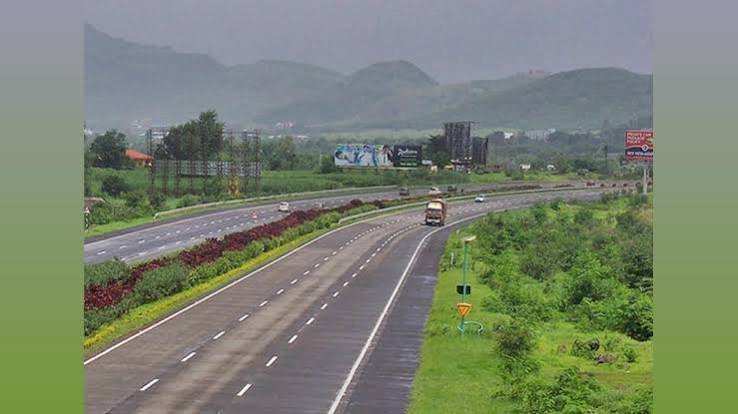
Patiala Bypass Road is an important highway corridor around Patiala city in Punjab. The existing bypass forms part of NH-7, formerly NH-64, and lets through traffic move between the Rajpura and Sangrur sides without entering the busiest central roads. It carries local vehicles, interstate buses, trucks and long-distance traffic travelling towards Chandigarh, Rajpura, Sangrur and the wider Malwa region. The term “Patiala Bypass” generally means this operational highway section; it should not be confused with the separate greenfield Northern Patiala Bypass project planned to complete a broader ring around the city.
Quick About Patiala Bypass Road
| Particular | Details |
| Location | Outer southern and western side of Patiala, Punjab |
| Main Highway | NH-7, formerly NH-64 |
| Existing Bypass Length | About 19.28 km |
| Key Direction Links | Rajpura, Chandigarh, Sangrur and Malwa region |
| Nearby Roads | Rajpura Road, Sangrur Road, Nabha Road and city approaches |
| Nearby Areas | Urban Estate, Karheri, Chamarheri, Sanaur-side localities |
| Railway Connectivity | Patiala Railway Station |
| Bus Connectivity | Patiala Bus Stand and highway-side intercity pickups |
| Nearest Major Airport | Shaheed Bhagat Singh International Airport, Chandigarh |
| Road Character | Four-lane national-highway bypass |
| City / State | Patiala, Punjab |
Where Is Patiala Bypass Road Located?
The existing Patiala Bypass is part of NH-7 around the outer edge of Patiala. NHAI records identify the bypass section at about 19.28 km. The highway approaches from Rajpura, skirts the city and continues towards Sangrur, allowing vehicles with no stop in central Patiala to remain on the national highway. Local junctions provide entry towards Urban Estate, Punjabi University-side areas, Sanaur and other city neighbourhoods.
Connectivity of Patiala Bypass Road
The bypass links regional highway traffic with Patiala’s main approach roads and is particularly important for travel between Chandigarh/Rajpura and Sangrur-side destinations.
Rajpura and Chandigarh Connectivity
On the north-eastern side, NH-7 connects Patiala with Rajpura. From Rajpura, travellers can continue towards Chandigarh, Zirakpur and the Delhi-Amritsar highway network. This is the usual road direction for Patiala-Chandigarh travel and for many vehicles approaching Patiala from Delhi.
Sangrur and Malwa Connectivity
Beyond Patiala, NH-7 continues towards Sangrur. The Patiala Bypass-to-Sangrur Bypass corridor is a major four-lane route used by intercity and freight traffic. From Sangrur, onward roads connect with Barnala, Bathinda and other parts of the Malwa region.
Nabha, Sanaur and Local City Roads
Junctions around the bypass provide access towards Nabha Road, Sanaur Road and southern Patiala. Drivers whose destination is inside the city should identify the correct exit in advance because the bypass is designed mainly for through movement.
Railway Connectivity
Patiala Railway Station is the main station serving the city. It is inside the urban area rather than directly beside the bypass, so travellers must leave the highway for the final part of the journey. Autos and cabs are convenient for the connection, while Rajpura Junction can provide additional rail options for some routes.
Bus Connectivity
Patiala has regular bus services to Chandigarh, Rajpura, Sangrur, Ludhiana, Bathinda, Delhi and other cities. The main Patiala bus stand handles many state and private services, while some long-distance operators use highway-side pickup points around the bypass. Passengers should follow the exact landmark on the latest ticket because “Patiala Bypass” can refer to more than one roadside stop.
Airport Connectivity
Shaheed Bhagat Singh International Airport near Chandigarh is the nearest major commercial airport for most Patiala travellers. The road journey generally uses the Patiala-Rajpura-Chandigarh corridor. Passengers should keep extra time for traffic around Rajpura, Zirakpur and Chandigarh when travelling for a fixed flight departure.
Nearby Areas Around Patiala Bypass Road
Urban Estate: A major planned residential area close to the Rajpura Road side, with markets, schools, hospitals and everyday services.
Karheri and Rajpura Road Side: An important city approach connecting bypass traffic with Punjabi University-side areas and the road towards Rajpura.
Sanaur-side Localities: Southern city roads connect the bypass with Sanaur and adjoining residential and semi-urban areas.
Chamarheri: An NH-7-side reference point and one of the terminal locations identified for the planned Northern Patiala Bypass.
Punjabi University Area: A major institutional landmark useful when entering Patiala from the Rajpura Road side.
Shops and Daily Facilities
Fuel stations, vehicle repair outlets, restaurants, dhabas and convenience shops are available along or near the highway. For a wider choice of hospitals, banks, restaurants and shopping, travellers can move towards Urban Estate, Rajpura Road and central Patiala.
Traffic Conditions at Patiala Bypass
Traffic can be heavy because the bypass handles local vehicles as well as buses, trucks and through traffic. Congestion is more likely near major junctions, service roads and city entry points during morning and evening peaks. Drivers passing through Patiala should remain on the signed NH-7 route and watch for turning traffic and lane changes near intersections.
Northern Patiala Bypass Project
A separate four-lane access-controlled Northern Patiala Bypass of about 28.9 km has been planned between the NH-7 corridor near Wazidpur and NH-7 near Chamarheri. The project is intended to complete a ring-road-type system around Patiala and divert more through traffic away from the city. NHAI awarded the project in March 2025. Status records available through May 2026 still listed it as awarded but not started, while land-acquisition notifications have also been issued. Travellers should therefore continue to use the existing NH-7 bypass and should not assume the northern bypass is open.
Conclusion
Patiala Bypass Road is a key part of NH-7 and provides an important route around Patiala for traffic moving between Rajpura, Chandigarh, Sangrur and the Malwa region. It also connects with major city approaches serving Urban Estate, Sanaur-side areas and other neighbourhoods. The main point for travellers is to distinguish the operational existing bypass from the future Northern Patiala Bypass; until the new road opens, the established NH-7 route remains the main through corridor around Patiala.
FAQs About Patiala Bypass Road
Q1. Is the existing Patiala Bypass the same as the Northern Patiala Bypass?
No. The existing NH-7 bypass is operational. The Northern Patiala Bypass is a separate greenfield project and should not be treated as an open route until it is officially commissioned.
Q2. Which route should through traffic use between Rajpura and Sangrur?
Vehicles that do not need to enter central Patiala should generally stay on the signed NH-7 bypass corridor. It gives a more direct connection between the Rajpura and Sangrur sides.
Q3. Is there a toll on the Patiala-to-Sangrur highway corridor?
The wider Patiala Bypass-to-Sangrur Bypass route includes the Kalajhar fee plaza. Toll depends on the exact journey, vehicle type and current fee rules, so drivers should check the latest applicable rate before travel.
Q4. Where should I wait if my bus ticket says Patiala Bypass?
Use the exact pickup landmark printed on the ticket. Operators can use different highway-side points, so checking the operator message or live pickup location before departure avoids confusion.
Q5. Can heavy vehicles use the bypass instead of central Patiala?
The bypass is intended for through traffic, including commercial vehicles, subject to current highway and local restrictions. Vehicles with no city-side delivery or stop generally have no reason to enter central Patiala.
Q6. Are fuel and food stops available along Patiala Bypass?
Yes. Fuel pumps, dhabas, restaurants and basic roadside services are available around the highway. Larger clusters of daily facilities are available closer to Urban Estate and Rajpura Road.